
Trying to break into the Asian market feels overwhelming. You know there’s huge potential, but the cultural differences and complex distribution networks are hard to navigate. You need a reliable way to connect with the right people, but sending emails into the void isn’t working.
Yes, you should absolutely use Asian adult product trade shows for market entry. They are the most effective way to meet key distributors, understand local market tastes, and build the personal relationships essential for doing business in Asia. These events provide direct access to decision-makers and offer invaluable insights that you can’t get from online research alone.
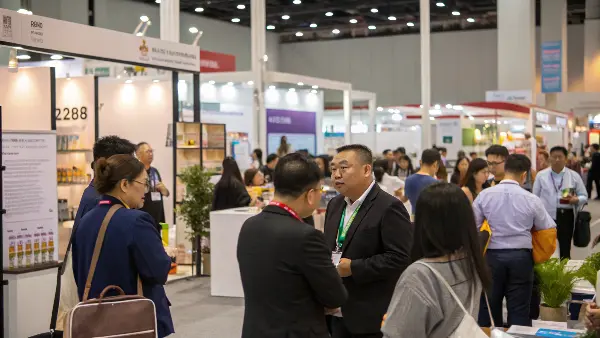
As someone who has been on both sides of the booth—as a manufacturer and an attendee—I’ve seen firsthand how powerful these events can be. They are more than just a place to display products. They are a launchpad for brands looking to expand their reach. The energy, the connections, and the direct feedback are things you just can’t replicate. Whether you’re a new brand or an established one, these trade shows can unlock doors you didn’t even know existed. Let’s explore how you can make the most of this opportunity.
What Makes Asian Trade Shows Different from Western Ones?
Are you thinking an Asian trade show is just like one in Berlin or Vegas, but with different food? It’s a common mistake. The approach, the culture, and the business goals are fundamentally different. Understanding this can be the key to your success or failure in the region.
Asian trade shows focus heavily on relationship-building and long-term partnerships, whereas Western shows can be more transactional. In Asia, business is personal. Expect to spend more time getting to know potential partners over tea than just scanning badges. This cultural nuance is critical; showing respect and patience will get you much further than an aggressive sales pitch.
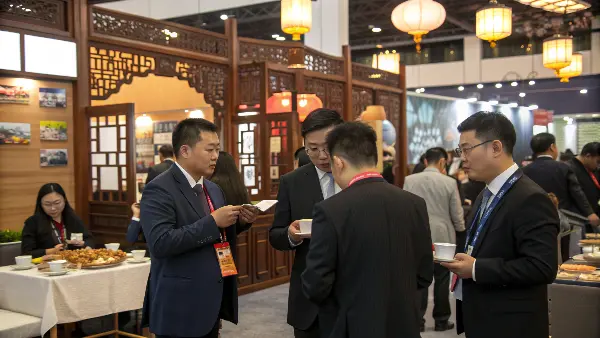
I remember one of my first times exhibiting. A potential distributor from Japan spent nearly an hour at our booth. We talked about my company’s history, my design philosophy, and even our families. We barely discussed pricing. I was a bit confused at first, but a few weeks later, he placed a significant order. He told me, "I needed to know I could trust the person behind the product." This taught me a valuable lesson. In Asia, the deal is often sealed on trust, not just on the spec sheet. We need to go deeper into these differences so you can prepare properly.
The Focus on Relationships
In the West, you might close a deal with a firm handshake after a 15-minute meeting. In Asia, that first meeting is just the beginning of a conversation. The goal is to establish rapport. They want to understand your company’s values and your long-term vision. Be prepared for multiple follow-up meetings, dinners, and calls. This process builds a strong foundation for a lasting partnership. It’s not about being inefficient; it’s about being thorough. They are investing in you, not just your products.
Communication and Etiquette
Directness can sometimes be seen as rude. Communication is often more subtle and high-context. You need to learn to read between the lines.
Here’s a simple breakdown of what to expect:
| Aspect | Western Approach | Asian Approach |
|---|---|---|
| Greeting | Firm handshake, direct eye contact. | Gentle handshake or bow, less direct eye contact. |
| Business Cards | Casually exchanged. | Exchanged with two hands, take time to read it. |
| Negotiation | Direct, focused on price and terms. | Indirect, focused on mutual benefit and relationship. |
| Decision Making | Often quick, made by an individual. | Slower, often requires group consensus. |
Showing you understand and respect these customs demonstrates that you are a serious and considerate partner. This goes a long way in building the trust needed to succeed.
Which Key Trade Shows Should You Target in Asia?
The Asian market is not one single entity. It’s a diverse collection of countries, each with its own unique culture, regulations, and consumer preferences. Attending the right trade show is crucial. You don’t want to waste your budget exhibiting at an event that doesn’t attract your target audience.
For broader reach, focus on shows in key hubs like Hong Kong, Shanghai, and Tokyo. The Asia Adult Expo (AAE) in Hong Kong is a major international gateway. The China Adult-Care Expo in Shanghai is essential for the mainland Chinese market. For Japan, the Adult Treasure Expo in Tokyo offers deep insights into one of the most mature markets.
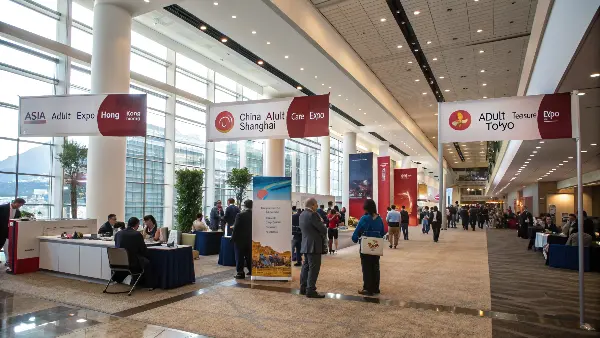
I’ve had great success at the AAE in Hong Kong. It’s a fantastic middle ground. You get buyers from mainland China, but also from Southeast Asia, Korea, and even Australia. It’s a true melting pot. One year, we launched a new product line there. The feedback we got from distributors from Thailand versus those from Korea was completely different. This helped us create region-specific marketing strategies before we even shipped a single unit. It saved us a lot of time and money. Here’s a closer look at the top shows to help you plan your strategy.
Top-Tier Trade Shows
These are the major events that attract international crowds and offer the widest exposure.
- Asia Adult Expo (AAE) – Hong Kong: This is probably the most internationally-focused show in the region. It’s a great starting point because English is widely spoken, and the logistics are relatively easy for Western companies. It attracts buyers and distributors from all over Asia and beyond.
- China Adult-Care Expo – Shanghai: If you want to crack mainland China, this is the show you cannot miss. It’s massive. You will find the biggest domestic distributors here. Be prepared for a language barrier and have a translator ready. The scale of the opportunity here is immense.
Specialized and Regional Shows
These events are smaller but can be more valuable for targeting specific markets.
- Adult Treasure Expo (Treasure Island) – Tokyo, Japan: Japan has a very sophisticated and unique market. This show is perfect for understanding niche trends and connecting with local players who dominate distribution. Product aesthetics and packaging are extremely important here.
- Bangkok International Adult Show – Thailand: As the wellness and lifestyle market grows in Southeast Asia, this show is gaining importance. It’s a great entry point for markets like Thailand, Malaysia, and Vietnam, where consumer attitudes are rapidly evolving.
Choosing the right show depends on your goals. Are you looking for a single, large distributor for all of China? Head to Shanghai. Are you trying to find multiple partners across Southeast Asia? Hong Kong or Bangkok might be a better fit.
How Do You Prepare for an Asian Trade Show?
Showing up with a banner and some products is not enough. The preparation you do before you even get on the plane will determine your success. You are entering a new business culture, and your preparation must reflect that. Neglecting this step can lead to missed opportunities and wasted investment.
Start by researching potential partners and scheduling meetings weeks in advance. Have all your marketing materials, including business cards and brochures, translated into the local language (e.g., Mandarin, Japanese). Most importantly, prepare a clear, concise pitch that focuses not just on your product features, but also on your company’s story and long-term partnership value.
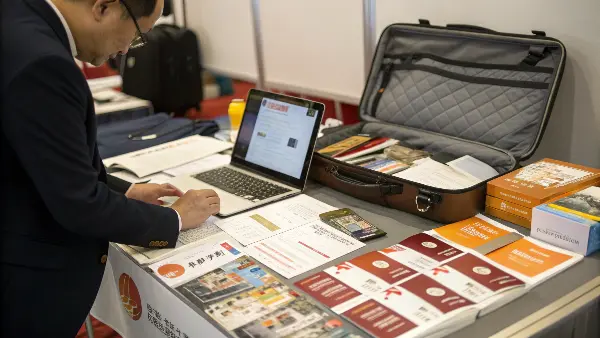
I learned this the hard way. Early in my career, I went to a show in Shanghai with only English materials. People were interested in my products, but the language barrier was a huge wall. The next year, I returned with a translator and all my materials in Mandarin. The difference was incredible. I had more productive conversations in the first day than I did during the entire show the year before. Preparation is a sign of respect, and in Asia, respect is everything.
Your Pre-Show Checklist
To be truly effective, your preparation needs to be meticulous. You must think about logistics, marketing, and cultural etiquette all at once. It seems like a lot, but breaking it down makes it manageable.
-
Logistics and Staffing:
- Book Your Booth Early: Prime locations go fast. A corner booth or one near a main entrance gets more traffic.
- Hire a Local Translator: Do not rely on translation apps for important business conversations. A professional translator is an investment, not an expense. They can also provide cultural insights.
- Ship Products in Advance: Don’t get caught up in customs delays. Work with a freight forwarder who is experienced with exhibitions in that country.
-
Marketing and Networking:
- Translate Everything: This includes your website’s landing page, product catalogs, and especially your business cards. Print double-sided cards with English on one side and the local language on the other.
- Pre-Schedule Meetings: Use the exhibitor list to identify key distributors. Send them a polite, personalized email introducing your brand and requesting a meeting. Do this 3-4 weeks before the show.
- Prepare Your Pitch: Your pitch should be simple and powerful. Explain who you are, what problem your product solves, and why you would be a good long-term partner.
Thinking through these steps doesn’t just make the show run smoother—it signals to potential partners that you are a professional and serious player who has taken the time to understand their market.
What Happens After the Trade Show Ends?
The trade show is just the beginning. The real work starts when you get home. Many Western companies make the mistake of waiting for leads to contact them. In Asia, a proactive and persistent follow-up strategy is essential to turn those initial conversations into concrete business deals.
Follow up within 48 hours of the show ending. Send a personalized email to every significant contact you made. Reference your conversation to show you were paying attention, and reiterate your interest in a partnership. Don’t be discouraged if you don’t get an immediate reply; consistent, polite follow-up is key to staying top-of-mind.
One of the biggest contracts PrivyPlay ever landed came from a trade show lead that went quiet for three weeks. I sent a polite follow-up email every week. The first was a "great to meet you" message. The second shared an article about a trend we discussed. The third simply asked if they had any questions. On the fourth week, I got a call. The manager apologized for the delay; he had been busy with internal meetings to get approval. My persistence showed I was serious, and it kept my company at the top of his list.
Building a Follow-Up System
A scattered approach won’t work. You need a system to manage your new contacts and nurture them effectively. This is where you convert the potential energy from the show into kinetic energy for your business growth.
-
Organize Your Leads:
- As soon as you can, enter all the business cards and notes into a CRM or a spreadsheet.
- Categorize them. I use a simple "Hot," "Warm," and "Cold" system. "Hot" leads are distributors who expressed strong interest and are a perfect fit. "Warm" leads are potential partners who require more nurturing. "Cold" leads might be suppliers or media contacts.
-
Craft Your Follow-Up Campaign:
- Immediate Follow-Up (Within 2 days): A personalized email thanking them for their time. Attach your catalog and mention a specific point from your conversation.
- Second Touch (1 week later): Provide additional value. This could be a link to a favorable review of your product, an industry report, or a case study.
- Third Touch (2-3 weeks later): A polite check-in. Ask if they have had a chance to review the materials and if they have any initial questions.
- Ongoing Nurturing: For "Warm" leads, add them to a regular (but not spammy) email list where you share company news and product updates.
Remember, the goal is to build a relationship, not just to close a sale. Be patient, be persistent, and be personal. This approach will set you apart from the competition and lay the groundwork for successful, long-term partnerships in the Asian market.
Conclusion
Asian adult product trade shows are a powerful tool for market entry. They provide direct access to key distributors, offer invaluable cultural and market insights, and help you build the trust-based relationships that are essential for success in this region. The investment in time and preparation pays off.