
Attending a massive adult product trade show feels overwhelming. You’re surrounded by thousands of people, but you often leave with just a bag of freebies instead of the game-changing partnerships you need. What if you could turn that chaos into concrete opportunities for your brand?
To build strategic partnerships at a trade show, you must prepare beforehand by identifying and researching key targets. During the event, focus on quality conversations over quantity, asking insightful questions to vet potential partners. Afterward, execute a prompt and personalized follow-up plan to turn those initial meetings into lasting, valuable collaborations that will grow your business.
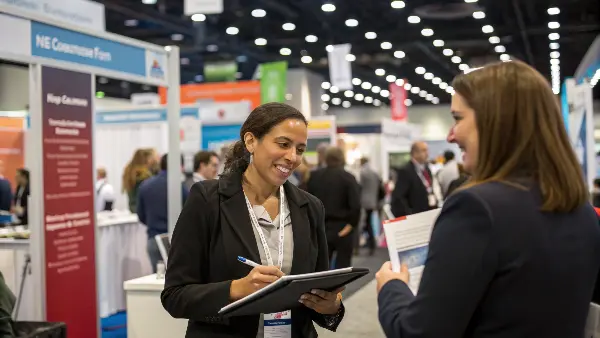
I’ve been to dozens of trade shows over the years, both as a buyer and as a manufacturer. I’ve seen people succeed wildly and others fail completely. The difference always comes down to having a clear strategy. It’s not about collecting the most business cards; it’s about making the right connections. Let’s break down how to create a solid plan for your next trade show, covering what to do before, during, and after the event.
What Pre-Show Prep Sets You Up for Networking Success?
You arrive at the trade show, grab your badge, and stare at a map the size of a small car with no plan. You end up wandering aimlessly, missing key booths and feeling like you’ve wasted your time and money. But with a little preparation, you can turn that stress into a strategic advantage.
Your pre-show prep should focus on three core activities. First, define clear goals for what you want to achieve. Second, use the exhibitor list to research and shortlist potential partners who align with those goals. Finally, reach out to your top-tier targets to schedule brief, focused meetings in advance. This ensures you’ll connect with the right people.
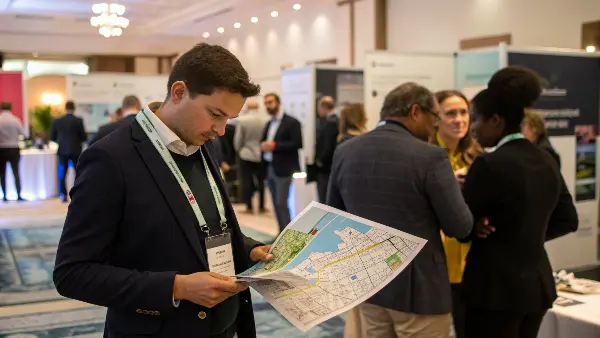
Going in with a plan is the single most important thing you can do. I learned this the hard way at my first show in Germany. I was so excited to be there, but I had no strategy. I spent two days just walking around, and while I saw some cool products, I didn’t make a single meaningful connection. I promised myself I’d never let that happen again. Now, my prep is meticulous because it’s the foundation for everything else.
Research and Goal Setting
Your journey starts weeks before you even book your flight. First, you need to know what a "win" looks like for you. Are you looking for a new manufacturer for a specific product line? Are you trying to find distributors in a new region? Or are you just trying to understand upcoming market trends? Write down 2-3 specific, measurable goals. For example: "Identify three potential manufacturers for our new eco-friendly line" is much better than "Look for suppliers."
Shortlisting and Outreach
Once you have your goals, get your hands on the exhibitor list. Most trade shows publish this online well in advance. Go through it with a fine-toothed comb and cross-reference it with your goals.
| Step | Action | Why It’s Important |
|---|---|---|
| 1. Create a "Long List" | Go through the entire exhibitor list and pull out every company that seems remotely relevant to your goals. | This is a quick first pass to ensure you don’t miss anyone. |
| 2. Research and Refine | Visit the websites of the companies on your long list. Check their product range, "About Us" page, and any case studies. | This helps you narrow your focus to the companies that are the best fit, saving you time at the show. |
| 3. Create a "Shortlist" | Select your top 10-15 highest-priority targets. Create a simple spreadsheet with their name, booth number, and a few notes. | This is your master plan for the trade show floor. |
| 4. Schedule Meetings | For your top 3-5 targets, send a polite, concise email requesting a 15-minute meeting at their booth. | Securing a dedicated time slot guarantees you won’t miss them and shows you’re a serious professional. |
This process transforms you from a passive attendee into an active hunter of opportunities.
How Do You Make Meaningful Connections Amidst the Trade Show Chaos?
The trade show floor is loud, crowded, and distracting. It’s easy to get caught in superficial chats, collect a business card, and move on without learning anything useful. You end up with a pocket full of cards from people you can’t remember, and no real leads.
To make meaningful connections, shift your focus from selling to learning. Approach booths with genuine curiosity. Ask open-ended questions about their challenges, successes, and business needs. This builds rapport and helps you quickly identify if there’s a real potential for a strategic, mutually beneficial partnership, making you stand out from the crowd.
The best conversations I’ve had at trade shows didn’t start with a sales pitch. They started with a simple, genuine question. Remember, the person standing at the booth has been talking to people all day. They are tired of giving the same spiel over and over. When you show a real interest in them and their business, not just what they can do for you, they notice. This is how you move from just another attendee to a memorable potential partner.
What Questions Should You Ask Potential Manufacturers to Vet Them Effectively?
You’ve found a manufacturer’s booth with impressive-looking products. But a nice display doesn’t tell you if they can handle your volume, meet your quality standards, or communicate effectively. Choosing the wrong manufacturing partner can lead to delays, defects, and damage to your brand’s reputation.
To vet a potential manufacturer, you must ask targeted questions beyond the product itself. Inquire specifically about their production capacity, quality control processes, communication methods, and experience with your market. Ask for details on their MOQ (Minimum Order Quantity), lead times for samples and mass production, and their social compliance certifications.

As a manufacturer myself, I can tell you that we respect brand owners who ask tough, smart questions. It shows they’re experienced and serious about quality. A good manufacturer won’t be scared off by detailed questions about their processes; they’ll be proud to answer them. If a potential supplier gets defensive or gives vague answers, that’s a major red flag. Your goal in this conversation is to gather the facts you need to determine if they are a reliable partner, not just a factory that can make a product.
Key Areas to Probe
Structure your questions around the entire partnership lifecycle, from design to delivery. This gives you a complete picture of what it would be like to work with them.
Production and Capability
First, you need to know if they can actually make what you need, at the scale you need it.
- "What is your core product specialty? What materials are you most experienced with?" (Ensures they align with your needs).
- "What is your typical MOQ for a new custom design versus an existing product?" (Tells you if they’re a fit for your business size).
- "Can you walk me through your production timeline, from approved sample to shipping?" (Helps you understand lead times and plan your inventory).
Quality and Compliance
This is non-negotiable. Your brand’s reputation depends on the quality and safety of your products.
- "What specific quality control checks do you perform during and after production?"
- "Do you have certifications like ISO, CE, or ROHS? Can you provide documentation?"
- "How do you handle product defects if they are discovered after shipment?" (Their answer reveals their commitment to partnership and accountability).
Communication and Partnership
Finally, a good partnership is built on clear communication.
- "Who would be my main point of contact? How often can I expect updates during a production run?"
- "Have you worked with brands in the US/Europe/Australia before? Are you familiar with our market’s regulations and expectations?"
- "Can you provide a reference from a current client in a non-competing category?" (A confident supplier will be happy to connect you).
Jot down their answers in a notebook. These details are what you’ll use after the show to compare potential partners and make an informed decision.
How Do You Turn a Handshake into a Long-Term Partnership After the Show?
You had a great conversation and swapped cards with a promising manufacturer. But back in the office, that card gets buried under a pile of emails. The initial excitement fades, momentum is lost, and a golden opportunity slips away. A trade show connection is worthless without proper follow-up.
To convert a connection into a partnership, you must act quickly and strategically. Within 24-48 hours, send a personalized follow-up email that references a specific detail from your conversation. Clearly state the next step you’d like to take, whether it’s requesting a sample, a quote, or scheduling a more in-depth video call.
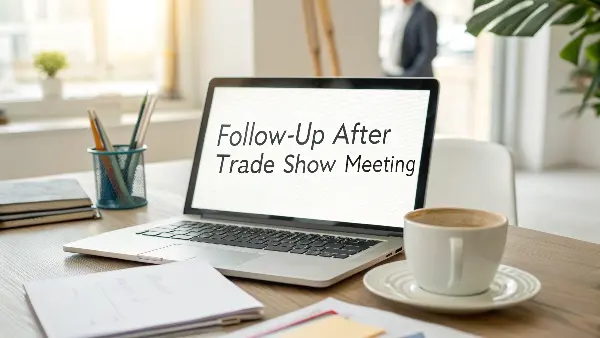
I can’t stress this enough: speed and personalization are everything. After a show, exhibitors are swamped with hundreds of generic emails. The ones that get a reply are the ones that stand out. I once connected with a potential materials supplier at a show. The next morning, I had an email from him that said, "Jerry, it was great discussing the challenges of sourcing sustainable TPE for your new wand collection. As promised, here is the spec sheet for the material we talked about." I replied immediately. He made it easy for me by reminding me of our conversation and providing the exact information I needed.
A System for Successful Follow-Up
Don’t leave your follow-up to chance. Have a system ready to go.
1. Organize Your Contacts Immediately
On the flight home, or even each evening at the hotel, organize the business cards you collected. Staple the card to a page in your notebook where you took notes on the conversation. Rate them: "A" for hot leads (follow up in 24 hours), "B" for promising (follow up in 3-4 days), and "C" for "good to know" (add to newsletter).
2. Craft the Perfect Follow-Up Email
Your initial email is crucial. It should be short, personal, and have a clear call to action.
- Subject Line: Make it easy for them to remember you. Something like: "Great to meet you at [Show Name] – [Your Name] from [Your Brand]"
- Opening: Reference your conversation. "It was a pleasure speaking with you at your booth about…"
- Value/Reminder: Briefly restate why you’re a good potential partner. "…your capabilities in silicone molding seem like a great fit for our upcoming product line."
- Call to Action: Be specific about the next step. "As a next step, could you provide a quote for the item we discussed? I’ve attached a spec sheet for your convenience."
3. Nurture the Relationship
A partnership isn’t built in a day. If you don’t hear back, send a polite follow-up a week later. If the initial project works out, think about the long term. Schedule quarterly check-in calls. Share your business’s successes with them. When your partners feel like they are part of your journey, they become more invested in your success. This is how you move from a simple transaction to a true strategic alliance.
Conclusion
Success at a trade show isn’t about luck. It’s about a clear, three-part strategy: diligent pre-show planning, meaningful conversations during the event, and a swift, systematic follow-up. By following this framework, you can cut through the noise and build the strategic partnerships that will define your brand’s future.