
Preparing for an adult product exhibition feels overwhelming. You’ve invested so much time and money, but you’re worried about missing a key detail that could derail your success. A solid plan is the only way to ensure you attract buyers and see a real return on your investment.
The ultimate exhibition checklist for a private label brand involves five key stages. Start with strategic planning 3-6 months out, defining goals and product selection. Then, focus on booth design and logistics. Next, execute pre-show marketing to book meetings. Finalize with on-site preparation and a robust post-show follow-up plan to convert leads into long-term partners. This structured approach ensures no detail is overlooked.
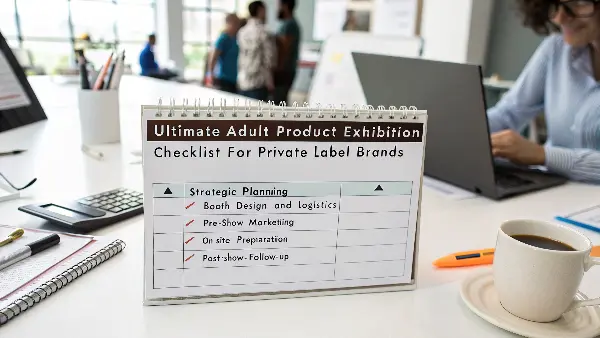
I’ve been to more trade shows than I can count, both as an attendee and an exhibitor. I remember the stress of my first one, feeling like I was juggling a dozen tasks at once. Over the years, I’ve learned that success isn’t about luck. It’s about meticulous preparation. A well-organized checklist is the single most important tool you can have. It turns chaos into a clear, step-by-step process, allowing you to focus on what truly matters: connecting with potential buyers and growing your brand. This guide breaks down my personal checklist, built from years of experience in this industry.
What Strategic Decisions Should You Make Months Before the Exhibition?
You’ve booked your spot at the industry’s biggest trade show. The initial excitement fades and a bit of panic sets in. How do you even begin planning? Without a clear strategy, you risk showing up unprepared, wasting a huge opportunity to connect with the very people who can grow your business.
Months before an exhibition, your strategic decisions must focus on three core areas: setting clear goals, selecting the right products, and defining your budget. Your goals could be lead generation or brand awareness. Your product selection should highlight bestsellers and new innovations. Your budget must cover the booth, travel, marketing, and staff costs to guide all future spending.
These early decisions form the foundation of your entire exhibition presence. Getting them right is critical. I’ve seen brands fail not because their products were bad, but because they didn’t have a clear purpose for being there. They treated the show like a party instead of a strategic business investment. You need to approach this phase with a sharp focus on your return on investment. Every choice you make, from the products on display to the goals you set, should directly contribute to building your brand and securing new partners. Let’s break down how to do this effectively.
Define Your "Why": Setting Clear and Measurable Goals
Before you choose a single product or design a banner, you must define what success looks like for your brand. Are you there to find ten new distribution partners in Europe? Or is your goal to get press coverage for a new product launch? Your objectives will dictate all your other decisions. Vague goals like "get more leads" aren’t helpful. You need specifics. I always recommend using the SMART framework: Specific, Measurable, Achievable, Relevant, and Time-bound.
Here’s an example of how you can structure your goals:
| Goal Category | Specific Objective | Measurement | Timeline |
|---|---|---|---|
| Lead Generation | Acquire 50 qualified leads from North American buyers. | Scan 50 badges of target buyers. | By end of Day 3. |
| Brand Awareness | Secure 3 media mentions in industry publications. | Confirmed interviews or articles. | Within 1 month post-show. |
| Partnerships | Schedule 15 follow-up meetings with potential private label clients. | 15 meetings booked in calendar. | During the show. |
| Market Research | Gather competitor insights on new material trends. | Compile a report with photos/notes. | By end of show. |
Curate Your Product Showcase
You can’t bring your entire catalog. You need to be strategic. Your booth space is limited, and buyers’ attention is even more so. I suggest a curated mix that tells a story about your brand.
- Your Bestsellers: These are your proven winners. They attract buyers who are looking for reliable, in-demand products to add to their stores. It shows you understand the market.
- Your Innovations: This is where you shine. Showcase a new design, a unique material, or a custom project you developed. This demonstrates your brand’s forward-thinking vision and your manufacturer’s capabilities. As a brand owner, this is your chance to show off what makes you different. Working with a manufacturer like us at PrivyPlay, who supports fast sampling and low MOQs for custom designs, gives you a huge advantage here. You can bring a truly unique prototype to the show.
- Your "Hero" Product: Choose one standout product to be the centerpiece of your display. Build your marketing message around it. It simplifies your pitch and makes your brand more memorable.
How Do You Design a Booth That Attracts the Right Buyers?
Your booth is just a small square on a massive exhibition floor filled with competitors. How do you stop busy buyers in their tracks? A poorly designed booth becomes invisible, and all your investment in products and travel is wasted. You need a space that not only looks good but works as a sales machine.
To design a booth that attracts buyers, focus on three things: clear and bold branding, an open and inviting layout, and interactive product displays. Your brand name and key message must be visible from a distance. The layout should encourage visitors to step in, not create a barrier. Finally, let people see and feel the quality of your products up close.
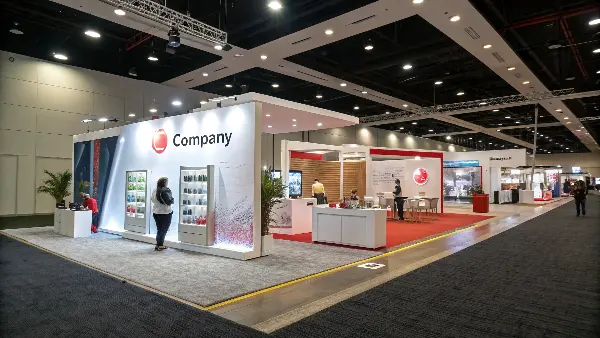
Think of your booth as a physical advertisement for your brand. It has about three seconds to grab someone’s attention as they walk down the aisle. I’ve walked past hundreds of booths that were cluttered, dark, or confusing. The best ones are always clean, well-lit, and communicate a single, powerful message instantly. They make you want to stop and learn more. Achieving this isn’t just about spending more money; it’s about smart design that reflects your brand’s identity and respects the buyer’s journey. Let’s dig into the practical elements of creating a space that draws people in and helps you close deals.
Creating an Unforgettable Visual Identity
Your booth’s visual design is your first handshake with a potential partner. It needs to be professional, on-brand, and easy to understand from 20 feet away.
- High-Impact Graphics: Use large, high-quality graphics. Your logo and brand slogan should be placed high up on your back wall so they can be seen over the crowds. Use your brand colors consistently, but don’t be afraid of using bold, contrasting colors to stand out.
- Lighting is Everything: Most exhibition halls have terrible overhead lighting. Bring your own! Spotlights can be used to highlight your hero products. LED backlighting for your main graphic can make your entire booth glow. Good lighting makes your products look more appealing and gives your booth a premium, professional feel.
- Less is More: Avoid clutter at all costs. A crowded booth looks messy and unprofessional. Have a clean, organized space with only your curated products on display. Use hidden storage, like a simple cabinet or counter, to keep boxes, bags, and personal items out of sight.
Designing for Engagement and Flow
Once you’ve captured their attention, the layout of your booth determines whether they engage further. You want to create a welcoming environment, not a fortress.
- Open Layout: Avoid placing a large table or counter right at the front edge of your booth. This creates a physical and psychological barrier. Instead, push the main counter toward the back or side. Use smaller podiums or shelves to display products. This creates an open space that invites people to step inside.
- Interactive Displays: Don’t just line up products on a shelf. Create displays that encourage interaction. For example, have demonstrators for different materials so buyers can feel the quality. If you have a waterproof product, consider a small, elegant display with water to prove it. For us at PrivyPlay, showing the quality of our silicone is key, so we often have raw material samples available.
- Comfort and Conversation: If you have the space, a small seating area with a couple of chairs can work wonders. It provides a semi-private, comfortable space to have a more in-depth conversation with a highly interested buyer. It signals that you are serious about building relationships, not just scanning badges.
What Pre-Show Marketing Will Maximize Your Booth Traffic?
Simply showing up and hoping for the best is a recipe for a quiet booth and a wasted budget. Your most valuable prospects are busy people who plan their exhibition routes in advance. If you’re not on their list, you might not get their time. You need to get on their radar before they even leave their office.
To maximize booth traffic, execute a targeted pre-show marketing campaign starting 4-6 weeks out. Announce your participation on social media and your website. More importantly, send personalized emails to your existing contacts and a curated list of target buyers, inviting them to book a specific meeting time at your booth to see your new collection.
The goal of pre-show marketing isn’t just to tell people you’ll be there; it’s to fill your calendar with pre-booked appointments. A schedule full of meetings before the show even starts is the best indicator of a successful event. It guarantees you will have meaningful conversations with qualified buyers. I’ve found that a personal touch goes a long way. A generic email blast is easily ignored, but a direct message showing you’ve done your research on their brand is hard to overlook. This proactive outreach transforms you from a passive exhibitor into a sought-after partner.
Building Your Target List
Your marketing is only as good as the list you send it to. Don’t just blast your entire contact database. Segment your audience for maximum impact.
- Existing Clients and Warm Leads: These are your most important contacts. They already know you. Send them a personal email announcing your new products and inviting them for an exclusive preview. Let them know you value their partnership.
- Prospects From Previous Shows: If you have leads from past events that didn’t convert, this is a perfect time to re-engage. Remind them of your brand and show them what’s new.
- Dream Client List: This is where you do your homework. Research brands, distributors, and retailers you want to work with. Use LinkedIn and industry directories to find the right contacts—usually a Purchasing Manager or Brand Founder. This effort is what separates amateur exhibitors from professional ones.
Crafting Your Outreach Campaign
Once you have your list, it’s time to reach out. I recommend a multi-touch approach starting about a month before the show.
Here’s a sample timeline:
| Week | Action | Channel | Message Focus |
|---|---|---|---|
| 4 Weeks Out | Initial Announcement | Email Blast, Social Media | "We’re coming! Announcing our booth number and a sneak peek of our theme." |
| 3 Weeks Out | Personalized Email | Direct Email | To your "Dream Client List." Introduce your brand and mention something specific about theirs. Ask for a 15-minute meeting. |
| 2 Weeks Out | Follow-Up Email | Direct Email | To those who haven’t responded. Provide more value, maybe a link to a "What’s New" PDF. Include your meeting scheduler link. |
| 1 Week Out | Final Reminder | Email, Social Media | "See you next week! Here’s a map to our booth. Our calendar is almost full, book now!" |
The key to the personalized emails is to make it about them, not you. For example: "Hi [Name], I saw that [Their Brand Name] focuses on wellness and body-safe products. We are launching a new line of medical-grade silicone toys at the XYZ Expo that I think would be a perfect fit for your customer base. Would you be open to a quick 15-minute preview at our booth, [Booth Number]?" This shows you’ve done your research and respect their time.
How Do You Turn Those Exhibition Leads into Sales?
The exhibition is over. You’re exhausted but have a stack of business cards and scanned badges. The biggest mistake you can make now is to relax. Most leads go cold within a week. If you don’t have a fast and organized follow-up system, your entire investment in the show could be for nothing.
To turn exhibition leads into sales, you must act quickly and systematically. First, categorize your leads immediately after the show (Hot, Warm, Cold). Then, send personalized follow-up emails within 48 hours, referencing your conversation. Finally, nurture all leads with valuable content over the following weeks to stay top-of-mind and build lasting relationships.
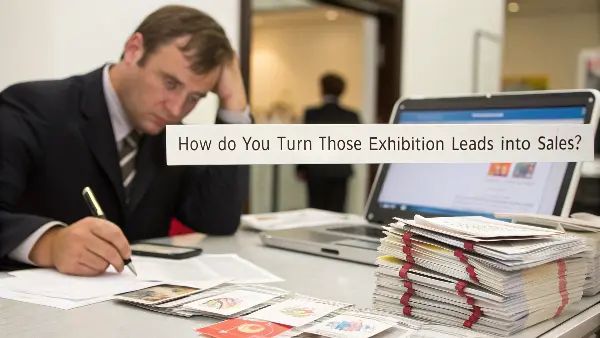
The "fortune is in the follow-up" is a cliché for a reason—it’s true. Buyers meet dozens of brands at a show. Your goal is to be the one they remember. A prompt, personal, and professional follow-up sets you apart from the 90% of exhibitors who send a generic "nice to meet you" email a week later, or worse, do nothing at all. I learned this the hard way after my first show. I waited a week, and my hottest leads had already forgotten who I was. Now, post-show follow-up is a non-negotiable, top-priority task for my entire team.
The Immediate Post-Show Action Plan
The work starts the moment you get back to your hotel or office. Don’t wait.
- Organize and Categorize: Go through every lead immediately. On the back of their business card, you should have already jotted down notes about your conversation. Now, formalize this by categorizing them in a spreadsheet or your CRM.
- Hot: They discussed specific products, quantities, or asked for a quote. They are ready to buy.
- Warm: They showed genuine interest, asked good questions, and are a good fit for your brand. They need more nurturing.
- Cold: They were just collecting brochures or are not a good fit. Add them to a general newsletter list, but don’t waste time on personal follow-ups.
Crafting the Perfect Follow-Up Email
Your follow-up email needs to be sent within 24-48 hours. It must be personal.
Subject: Great connecting at [Exhibition Name]!
"Hi [Name],
It was a pleasure meeting you at your booth yesterday. I really enjoyed our conversation about [mention a specific topic you discussed, e.g., your interest in eco-friendly materials].
As promised, here is the information on our [Product Name they were interested in] collection, including the spec sheet and pricing.
I remember you mentioned you were looking for a manufacturing partner who can handle [mention their pain point, e.g., low MOQs for a new line]. As a reminder, we specialize in supporting brands like yours with flexible orders.
What does your schedule look like next week for a quick 20-minute call to discuss how we can work together?
Best regards,
[Your Name]"
This email works because it’s personal, re-establishes the connection, provides the requested information, and has a clear call to action.
The Long-Term Nurturing Strategy
Not every lead will be ready to buy immediately. That’s okay. The goal is to stay on their radar so when they are ready, your brand is the first one they think of. Create a simple email drip campaign for your "Warm" leads. Send them valuable content once every few weeks—not just sales pitches. Share an article about industry trends, a case study of a successful product launch, or an inside look at your manufacturing process. This builds trust and positions you as an expert and a valuable partner, not just another supplier.
Conclusion
Exhibition success is not an accident. It comes from a detailed, strategic plan that starts months before the event and continues long after you’ve packed up your booth. By following this comprehensive checklist, you can transform a stressful expense into a powerful driver for your private label brand’s growth.