
Walking through a massive trade show hall is overwhelming. You’re surrounded by thousands of products, but you’re afraid of betting your budget on a fad that will fade by next quarter. But there’s a method to the madness, and I can show you how to see through the noise.
To spot bestsellers, focus on three key areas: technological innovations (like app integration and new materials), shifts in wellness and inclusivity (like gender-neutral designs and body-safe materials), and recurring themes in packaging and marketing. Pay close attention to what award-winning brands are showcasing and listen to the buzz during networking events. These are your strongest indicators of future market demand.
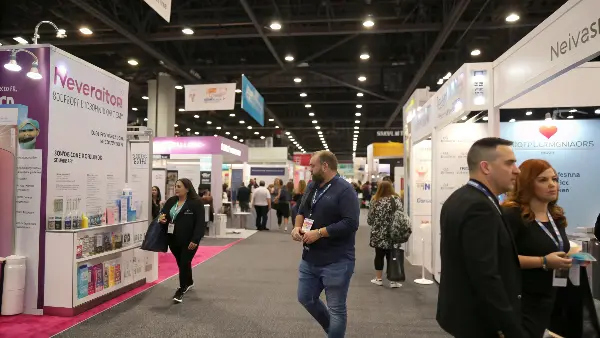
I’ve spent years navigating these shows, not just for my own brand, PrivyPlay, but to help my clients understand the market. It’s a skill you develop over time. But you don’t have to learn through expensive trial and error. Let’s break down the exact strategies I use to identify winners and avoid costly mistakes. It all starts with knowing what to look for on the show floor itself.
What Key Innovations Should You Look for on the Show Floor?
Every booth claims to have the "next big thing." It’s hard to tell if a new feature is a genuine leap forward or just a gimmick that consumers won’t care about. The key is to focus your attention on innovations that solve a real user problem or meaningfully enhance the experience.
Look for advancements in three specific areas: smart technology, materials science, and ergonomic design. Is the app integration seamless and useful? Does the new material offer a better sensory experience or easier cleaning? Does the shape address a common comfort issue? Innovations that offer tangible benefits, not just novelty, are the ones that will translate into sales.
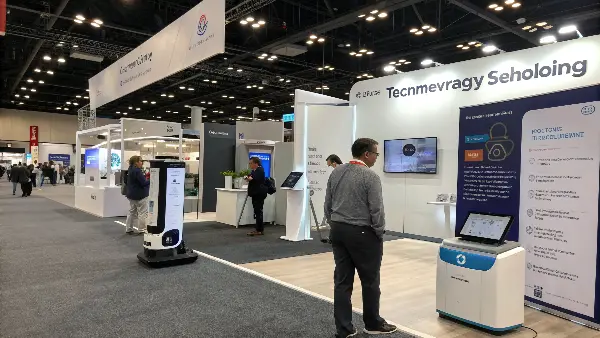
When I walk the floor, my eyes are peeled for these specific advancements. It’s not about finding the weirdest shape or the product with the most functions. It’s about substance. I saw this firsthand a few years ago with the rise of app-controlled toys. The first versions were clunky, but the brands that perfected the user interface and created stable, long-distance connections are the ones still leading the market today.
To keep it organized, I mentally categorize what I see. This helps me connect the dots between different booths and identify a true trend. Here’s a simple framework you can use:
Areas of Innovation to Watch
| Category | What to Look For | Why It Matters |
|---|---|---|
| Smart Technology | App stability, unique interactive modes (e.g., music sync, interactive content), multi-user functionality. | Consumers expect technology to just work. A frustrating app experience will lead to returns and bad reviews, regardless of how good the product is. |
| Material Science | New silicone blends (softer, silkier), sustainable or biodegradable materials, innovative textures. | The feel of a product is paramount. A new material that enhances pleasure or aligns with a customer’s values (like sustainability) is a powerful selling point. |
| Ergonomics & Design | Gender-neutral shapes, designs for specific body types or abilities, improved button placement and user interface. | Inclusivity is no longer optional. Products designed for a wider range of bodies and needs open up new markets and build incredible brand loyalty. |
By assessing products against these criteria, you move past the marketing hype and focus on the real value they offer to the end user. That’s a much safer bet for your business.
How Can You Leverage Networking to Uncover Hidden Trends?
You’re at a trade show, and every minute is valuable. You might think your time is best spent just looking at products. But if you spend all your time at booths, you’re missing half the picture. The real insights often come from the conversations you have between the aisles.
To uncover hidden trends, talk to everyone: other brand owners, retail buyers, material suppliers, and even your competitors. Ask them what excites them, what they’re tired of seeing, and what their customers are asking for. The patterns that emerge from these casual conversations are often more telling than any single product presentation and can reveal untapped market needs.
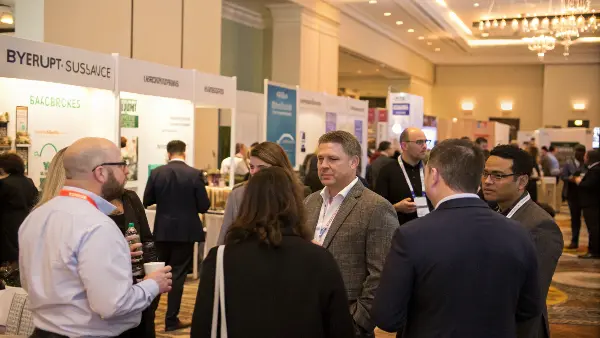
I can’t tell you how many times a five-minute chat over coffee has given me a better steer than a 30-minute product demo. At a show in Berlin last year, I was talking to a small boutique owner from Australia. She mentioned that her customers were constantly asking for quieter toys for apartment living, but a lot of the powerful models on the market were just too loud. This wasn’t a trend being advertised on a big banner—it was a real, grassroots customer need. We took that insight back and developed a new motor-dampening technology for our next line.
The key is to ask open-ended questions that get people talking. Don’t just ask, "What’s new?" That’s too broad. Instead, try more targeted questions.
Your Networking Cheat Sheet
-
For Retailers/Buyers:
- "What product category are you getting the most customer requests for right now?"
- "What’s a common complaint you hear about current products on the market?"
- "Are there any customer groups you feel are being ignored by the big brands?"
-
For Other Brand Owners:
- "What’s the biggest challenge you’re facing with manufacturing or sourcing this year?"
- "Beyond your own booth, what’s the most interesting thing you’ve seen here?"
- "What marketing angle seems to be resonating most with your audience lately?"
-
For Component/Material Suppliers:
- "What new materials are you most excited about and why?"
- "What kinds of custom requests are you getting from manufacturers?"
These conversations give you raw, unfiltered market intelligence. People are more candid in an informal setting. That boutique owner’s comment about quiet toys led to one of our bestsellers. This is proof that the most valuable information isn’t always on display.
Beyond the Booths, Where Else Can You Find Trend Signals?
Limiting your focus to the main exhibition hall is a rookie mistake. Product booths show you what’s available now, but they don’t always tell you where the market is going. The context surrounding the products is just as important. For this, you have to look beyond the sales floor.
Pay close attention to the educational seminars, award ceremonies, and marketing materials. Seminars on topics like wellness, sexuality, and tech reveal the industry’s intellectual direction. Award winners highlight the designs and brands that experts have already vetted for quality and innovation. Even the language and imagery used in show guides and banners can signal major cultural shifts.
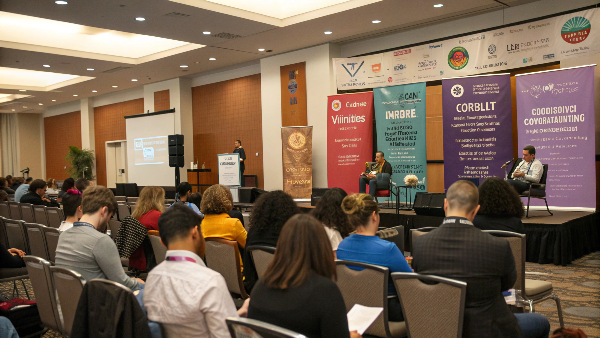
Think of the trade show as a complete ecosystem. The booths are just one part of it. A few years back, I noticed a surge in seminars focused on "Sexual Wellness." At the same time, I saw more brands using packaging with a clean, minimalist, and almost clinical aesthetic, resembling high-end skincare. It was a clear signal. The industry was moving away from a purely pleasure-focused message and towards a more holistic, health-oriented one. Brands that picked up on this early were able to reposition themselves and capture a new, broader audience.
To do this effectively, you need a plan before you even arrive.
Expanding Your Search for Trends
-
Analyze the Seminar Schedule: Before the show, review the list of talks and workshops. Look for recurring keywords, like "sustainability," "inclusivity," or "AI." The topics that get the most airtime are the ones on the industry’s collective mind. Attend these sessions and listen to the Q&A—the audience’s questions are pure gold.
-
Study the Award Nominees and Winners: The night of the awards isn’t just a party. It’s a market report. Look at the products and brands that win in categories like "Best New Product" or "Most Innovative Company." These are your benchmarks for excellence. What do they have in common? Is it their design, their marketing message, or their technology?
-
Read the Signage: It sounds simple, but it works. Walk the halls and look at the big-picture branding. Are brands using words like "empowerment," "self-care," and "exploration"? Or is the language more direct and explicit? This tells you how the industry is trying to speak to its customers, which is a powerful indicator of where consumer culture is heading.
By combining these observations with what you see at the booths, you build a much richer, more accurate picture of the future market.
How Do You Translate Trade Show Buzz into a Solid Product Strategy?
Leaving a trade show with a notebook full of ideas is exciting. It’s also dangerous. Buzz is not a business plan. The biggest mistake you can make is rushing to place a large order for a "hot" new product without doing your homework. You need a process to validate those exciting trends.
To translate buzz into a viable strategy, you must filter your observations through the lens of your own brand and customer base. Validate trends by checking search data, surveying your existing customers, and running small-scale tests with low MOQs. A trend is only valuable if it solves a problem for your audience and fits within your brand identity.
After every trade show, my team and I have a dedicated debriefing session. We don’t just share what we thought was cool; we critically evaluate each potential trend. The goal is to separate the fleeting fads from the genuine market shifts that have staying power. I learned this the hard way years ago when I got caught up in a trend for a very niche type of product. The buzz was huge at the show, but it turned out the actual market for it was tiny. We ended up with dead stock.
Now, we use a structured validation process for every potential product. It’s a simple checklist that keeps us grounded and ensures our decisions are data-driven, not just based on excitement.
Trend Validation Checklist
-
Is there existing demand?
- Use tools like Google Trends or keyword planners to see if people are already searching for terms related to the trend. Is search volume growing, stable, or declining?
-
Does it fit our brand?
- Does this product align with our mission of "Elevating Pleasure, Empowering Confidence"? Or does it feel like we’re chasing a trend that doesn’t fit who we are? Authenticity is crucial for brand loyalty.
-
Does it solve a problem for our customers?
- Would our current customers actually buy this? The best way to find out is to ask them. Send out a simple survey to your email list asking for their opinion on the new concept.
-
Can we test it first?
- Before committing to thousands of units, find a partner (like PrivyPlay) who can support a low Minimum Order Quantity (MOQ). This allows you to launch the product on a small scale, gather real sales data, and get customer feedback before making a huge investment.
This process turns vague "buzz" into a concrete, low-risk plan. It ensures that when you do invest in a new product, you’re doing it with confidence.
Conclusion
Spotting the next bestseller at a trade show isn’t about having a crystal ball. It’s about having a system. By looking for real innovation, networking with purpose, analyzing the entire event ecosystem, and validating every idea, you can turn the chaos of the show floor into your strategic advantage.