
You grab a jar of Vaseline because it is cheap and right there. But then you feel sticky, and maybe later, you get an infection or ruin a condom. Using petroleum jelly for sex or with expensive toys is a big mistake that causes more trouble than it is worth.
Vaseline creates a barrier that traps bacteria, leading to infections like BV or yeast. It also destroys latex condoms and degrades silicone sex toys. The best alternatives are water-based lubes for versatility, silicone-based for longevity, and natural oils like coconut oil for non-latex play. These options ensure safety, comfort, and toy durability.
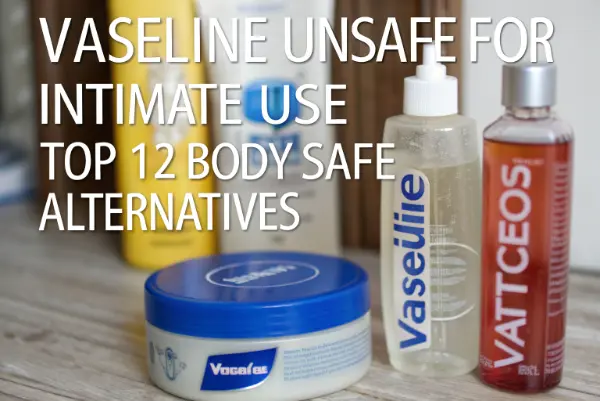
I have seen too many good products ruined by bad lubrication choices. In my years running a manufacturing business, I see customers complain about "sticky" toys, only to find out they used the wrong lubricant. Let’s fix that today.
Why Is Petroleum Jelly Risky for Your Body and Toys?
Many people think Vaseline is safe because it is on every shelf. However, it is a byproduct of oil refining. Putting it inside your body is not the same as putting it on dry lips. It creates real risks that you might not see immediately.
Petroleum jelly is oil-based and hard to wash off. Inside the body, it traps dirt and bacteria, increasing infection risks by over 40% in some studies. Furthermore, it dissolves latex condoms, causing them to break, and chemically reacts with silicone toys, turning smooth surfaces into a sticky, porous mess.
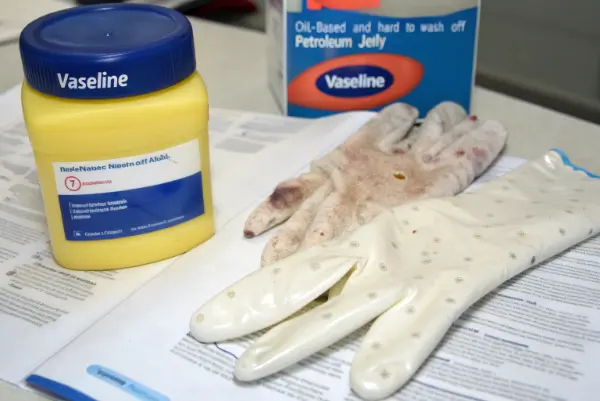
I need to explain the science here because it affects how we design products at PrivyPlay. Petroleum jelly is hydrophobic. This means it repels water. When you use it internally, your body cannot clean it out naturally. It sits there. It creates a warm pocket where bacteria can grow. This is why many women get bacterial vaginosis after using it.
Also, think about the material of your toys. We spend a lot of time sourcing high-quality medical-grade silicone. It is smooth and non-porous. Petroleum products attack the chemical bonds in silicone. I have seen returned toys that look melted. The surface gets bumpy and sticky. Once that happens, you cannot fix it. That rough surface holds bacteria, and the toy becomes trash.
If you are a store owner, you must teach your customers this. If they ruin a toy with Vaseline, they will blame your product quality, not their lubricant.
The Impact of Petroleum Jelly
| Feature | Effect on Body | Effect on Latex | Effect on Silicone Toys |
|---|---|---|---|
| Solubility | Hard to wash out | N/A | N/A |
| Bacteria | Traps bacteria/dirt | N/A | Increases growth in porous spots |
| Structure | Coats tissue | Breaks down rubber | Melts/degrades surface |
| Safety | High infection risk | High pregnancy risk | Destroys investment |
What Are the Top Water-Based Alternatives for Everyday Use?
You want something that feels natural and cleans up easily. Water-based options are the gold standard for a reason. They mimic the body’s own moisture. If you need a go-to option that works with everything, this is where you start.
Water-based lubricants are the safest universal choice. They are compatible with all sex toys and latex condoms. Top alternatives include products with clean ingredients like glycerin-free formulas, natural aloe-based gels, and propylene glycol-free options. They wash off with water, leave no stains, and are perfect for sensitive skin.
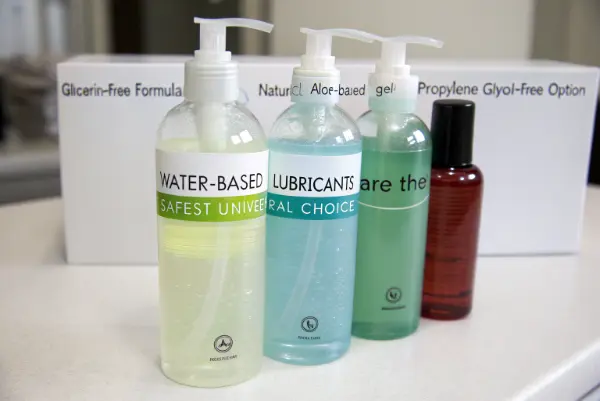
Water-based lubricants are the most popular for a good reason. In our factory, we test all our toys with water-based fluids to ensure they perform well. These are the first four alternatives on our top 12 list.
1. Glycerin-Free Water-Based Lube
This is the industry standard. Glycerin is a sugar alcohol. In some people, it feeds yeast and causes infections. A glycerin-free formula is safe for almost everyone. It is thin, slippery, and easy to clean.
2. Aloe Vera Gel
If you want something pure, look for 100% Aloe Vera gel. It is not just a lubricant; it soothes the skin. However, you must check the label. Some "aloe" gels have alcohol or numbing agents. Avoid those. Pure aloe is safe for toys and condoms.
3. Hyaluronic Acid Lube
This is a newer trend in the wellness market. Hyaluronic acid holds moisture very well. It actually hydrates the skin cells instead of just sitting on top of them. For women experiencing dryness due to menopause or stress, this is often the best choice.
4. Carrageenan (Seaweed) Lube
This is a natural alternative derived from red seaweed. It feels very silky, almost like silicone, but it is water-soluble. It creates a nice film that lasts longer than standard water lubes.
When you choose these, you choose safety. They do not stain your sheets. You can wash them off with just water. For a brand owner, these are the safest upsell items to recommend with any toy purchase.
Which Silicone-Based Options Offer Long-Lasting Comfort?
Sometimes water-based lubes dry out too fast. You have to keep stopping to add more. If you want a smooth feeling that lasts for a long time without interruption, you need a different formulation. This is for when endurance matters.
Silicone lubricants are hypoallergenic and do not evaporate or soak into the skin. They are excellent for water play (shower/bath) and anal play because they provide a thicker cushion. Top alternatives include high-grade medical silicone fluids. However, never use them with silicone toys as they will degrade the material.
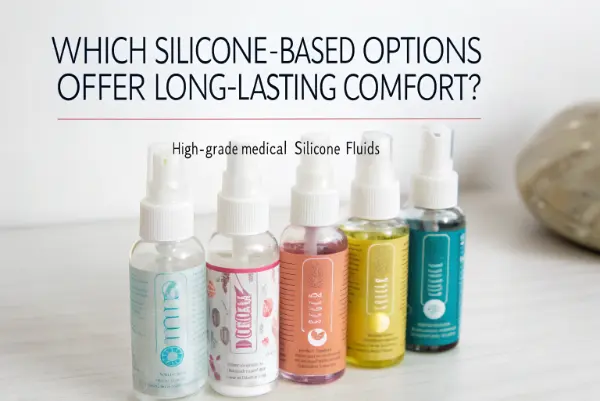
Silicone is distinct because it is not absorbed by the skin. It sits on top, creating a frictionless barrier. This brings us to the next items on our top 12 list.
5. Medical-Grade Silicone Lube
This is usually made from Dimethicone or Cyclomethicone. It feels like velvet. It is the best choice for anal play because the tissue there does not self-lubricate. You need that cushion. It is also the only option for the shower because water breaks down water-based lube instantly.
6. Hybrid Lubricants
This is a mix of water and a small amount of silicone (usually cream-based). It tries to give you the best of both worlds. It cleans up easier than pure silicone but lasts longer than pure water.
Critical Thinking: The "Silicone on Silicone" Rule
I have to stress this again. Do not use #5 or #6 with high-quality silicone toys.
Chemically, "like dissolves like." If you put silicone oil on a silicone vibrator, they start to bond. The toy will feel sticky forever.
- Use Silicone Lube with: Glass toys, Metal toys, ABS plastic toys, Stone toys.
- Do NOT Use Silicone Lube with: Silicone toys, Cyberkin rubber, Jelly toys.
If you are sourcing products, you know that silicone raw material prices are high. If a customer ruins a $50 toy with a $5 lube, they will be unhappy. We always recommend pairing silicone toys with water-based options only.
What Natural Oil Alternatives Are Safe for Non-Latex Play?
Some people hate chemicals. You might want something you can find in your kitchen. While natural oils feel great, you must be careful. They are not safe for latex condoms, but they can be amazing for massages and solo play.
Natural oils offer a rich, moisturizing texture that lasts a long time. The best body-safe oil alternatives include Coconut Oil (antifungal properties), Sweet Almond Oil (great smell), and Olive Oil (thick consistency). These are safe for glass, metal, or stone toys, but they will break latex condoms and stain sheets.
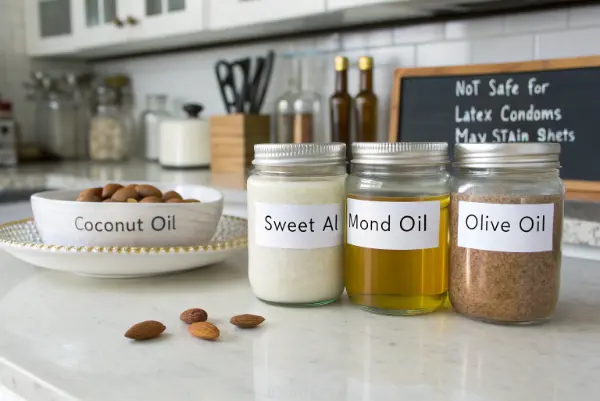
We see a huge demand for "organic" and "natural" in the market right now. People want simple ingredients. If you are not using latex condoms (perhaps you are in a committed relationship or playing solo), oils are luxurious. Here are the next alternatives.
7. Virgin Coconut Oil
This is very popular. It is solid at room temperature but melts when it touches skin. It smells good and tastes good. It also has natural antifungal properties, which can help keep the skin biome healthy. But, it is heavy. It can clog pores if you are prone to acne in that area.
8. Sweet Almond Oil
This is a favorite for massage that turns into sex. It is lighter than coconut oil and soaks in slowly. It leaves the skin feeling very soft. It is generally safe for internal use, but always check for nut allergies first.
9. Avocado Oil
This is thicker and stays on the surface longer. It is great for lengthy sessions where you do not want to reapply. It is very gentle on sensitive mucous membranes.
10. Vitamin E Oil
This is very thick and sticky, so you usually mix it with another oil. It is incredibly healing. If you have small tears or irritation from rough play, Vitamin E can help repair the skin while you play.
The Safety Protocol for Oils
You must be strict about this. Oils eat latex. If you use coconut oil with a latex condom, the condom can break in under 60 seconds. That is a massive risk. Also, oils are hard to clean off toys. If you use oil on a textured toy, you must scrub it with hot soapy water, or it will go rancid.
What Are the Specialized Alternatives for Sensitive Skin?
If you get irritation easily, standard lubes might burn. You need ingredients that heal while they lubricate. This is about more than just sliding; it is about keeping your skin healthy and avoiding allergic reactions.
For highly sensitive skin or post-menopausal dryness, choose additives that soothe. Top alternatives include Flaxseed Gel (natural mucus mimic) and Shea Butter (rich moisture). These focus on hydration and tissue health rather than just reducing friction.

We are now at the end of our list with some unique options. These are for people who find even standard water-based lubes irritating.
11. Flaxseed Gel
You can actually make this at home, or buy it. When you boil flaxseeds in water, they release a gel. This gel looks and feels almost exactly like natural bodily fluids. It has no preservatives, no chemicals, and is pH balanced. It is messy to make, but incredible for people with severe allergies.
12. Melted Shea Butter
Like coconut oil, this is a fat. It is incredibly soothing. It is often used for skin stretching or for people who have pain during intercourse. It provides a very thick layer of protection.
Why pH Balance Matters
In my industry, we talk a lot about pH. The vagina is acidic (pH 3.8-4.5). The rectum is neutral (pH 7). Soap is basic (pH 9-10).
If you put a product with the wrong pH inside you, you kill the good bacteria. This allows the bad bacteria to take over.
- Vaseline has no pH (it creates a barrier), but it traps bad bacteria.
- Water-based lubes are usually formulated to match the body’s pH.
- Flaxseed and Aloe are naturally balanced.
When you choose an alternative, look for "pH balanced" on the packaging. It shows that the manufacturer understands biology, not just chemistry.
Conclusion
Vaseline is for cuts and dry lips, not for intimacy. It traps bacteria and ruins condoms and toys. You have 12 better options: water-based for toys (Aloe, Carrageenan, Hyaluronic), silicone for water play, and natural oils (Coconut, Almond) for skin-to-skin contact. Choose what keeps you safe and makes your toys last.